
The urban gems of Languedoc
Montpellier
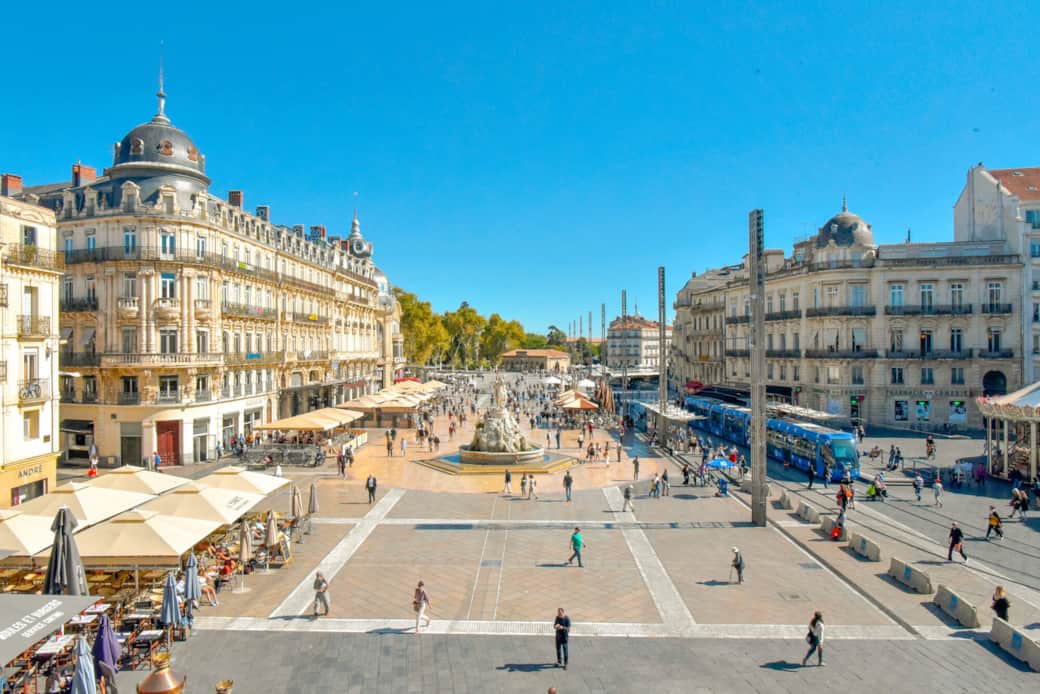
The capital of Languedoc, Montpellier charms visitors with its Mediterranean appeal and rich historical heritage. Between the medieval streets of the Écusson district, stately homes and lively squares, the city combines old-world elegance with modernity. The famous Place de la Comédie, the vibrant heart of the city, invites you to stroll around, while the Promenade du Peyrou offers a panoramic view of the region. A city of art, architecture and culture, Montpellier is home to museums, universities and contemporary neighbourhoods designed by leading architects. A destination where tradition and innovation meet under the southern sun.
Béziers
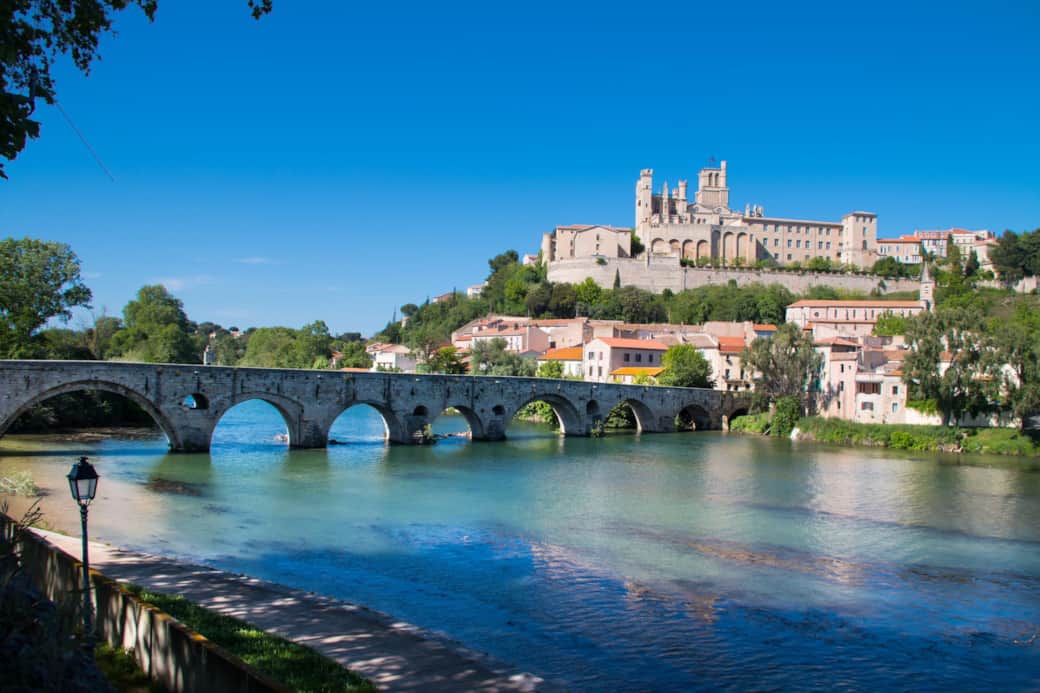
One of France's oldest towns, Béziers majestically overlooks the wine-growing plain and the Canal du Midi. Its rich heritage tells the story of more than 2,000 years of history, from the old bridge to Saint-Nazaire Cathedral perched on its hilltop. Strolling through its narrow streets, you'll be immersed in the authentic atmosphere of the South. The famous Fonseranes locks, a masterpiece of engineering, are a reminder of the genius of Pierre-Paul Riquet, a native of the region. With its culture, traditions and art de vivre, Béziers charms visitors with its strong character and southern soul.
Sète
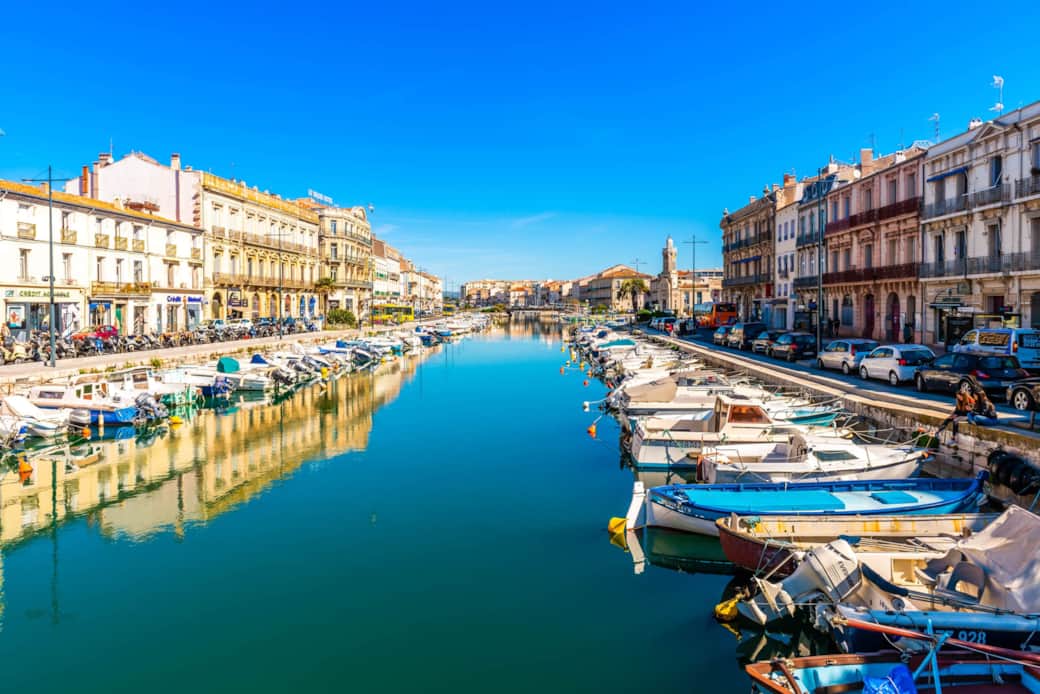
Nicknamed the ‘Venice of Languedoc’, Sète charms visitors with its canals, fishing port and authentic Mediterranean atmosphere. Nestled between the sea and a lagoon, the town offers a unique setting where light, water and art de vivre come together. From the top of Mont Saint-Clair, the panoramic view of the Mediterranean is breathtaking. The birthplace of Georges Brassens and Paul Valéry, Sète cultivates a strong cultural and artistic identity. With its maritime heritage, traditions and gastronomy, it perfectly embodies the spirit of the South.
Must-see attractions
Saint Guilhem le désert
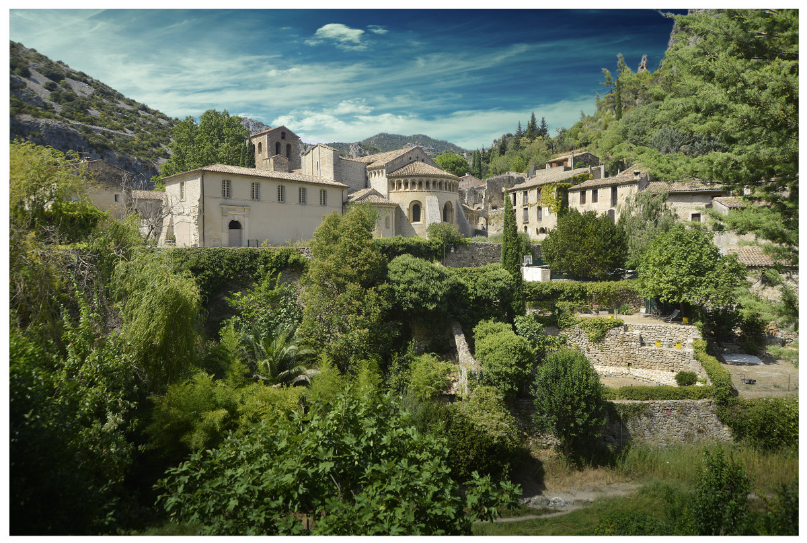
In the heart of the spectacular Hérault Gorges, the wild and picturesque Gellone Valley provides a magnificent natural setting for the village of Saint-Guilhem-le-Désert. Nestled in the hollow of high limestone cliffs, where the remains of the legendary giant's castle still cling, the medieval town follows the gentle curves of the Verdus stream. Its houses, built close together, bear witness to a long history. While its narrow streets are brought to life by fountains and numerous shops, its large square is shaded by a remarkable plane tree planted in 1855.
A spiritual stop on the Way of St James, the medieval town is home to the famous Abbey of Gellone, founded in the early 9th century, a jewel of early Romanesque architecture in the south of France and now a UNESCO World Heritage Site.
Aigues-Mortes
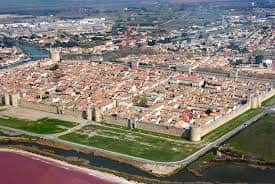
Once the kingdom of France's main port on the Mediterranean, Aigues-Mortes is now surrounded by land. When you arrive, you will be struck by the state of preservation of the monumental ramparts, which are 1.6 km long. Walk around them in their entirety, taking the rampart walk. Enjoy a beautiful view of the salt marshes and the Camargue region of the Gard. In summer, a hat is recommended.
Visit the majestic Tour de Constance, where King Saint Louis resided and from where he set off on his crusade. Then stroll through the town, which is bustling with numerous artists' and craftspeople's workshops.
As for the unmissable salt marshes of Aigues-Mortes, they cover an area equivalent to around 10,000 rugby pitches! Visits are organised by tourist train, bicycle or on foot.
The city of Carcassonne
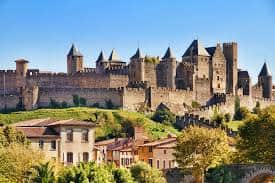
You will see it emerge from afar like a dream, perched like a crown on a hill surrounded by vineyards. Carcassonne, with its 52 towers and 3 km-long double ramparts, is the archetype of the medieval city as it is imagined throughout the world.
Listed as a UNESCO World Heritage Site in 1997, it invites you to celebrate its 1,000 years of military architecture.
Enter through the Narbonnaise gate. Explore the city on foot, bustling with restaurants and shops. Lose yourself in the medieval streets as you linger in the 12th-century castle built by the Trencavel family. Admire the flamboyant stained glass windows of the Basilica of Saint-Nazaire, relax on a shaded terrace and enjoy a drink. And to relax even more and better enjoy the city's attractions, choose the train for this journey through time.
Villages and towns with character
MINERVE, Cathar City
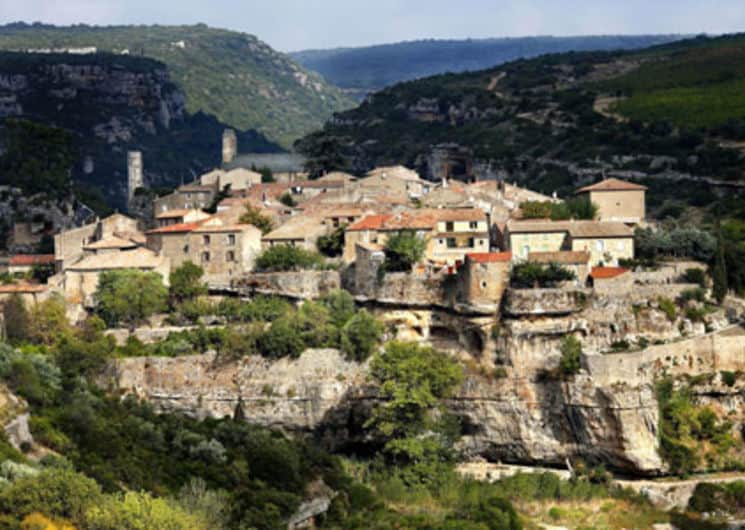
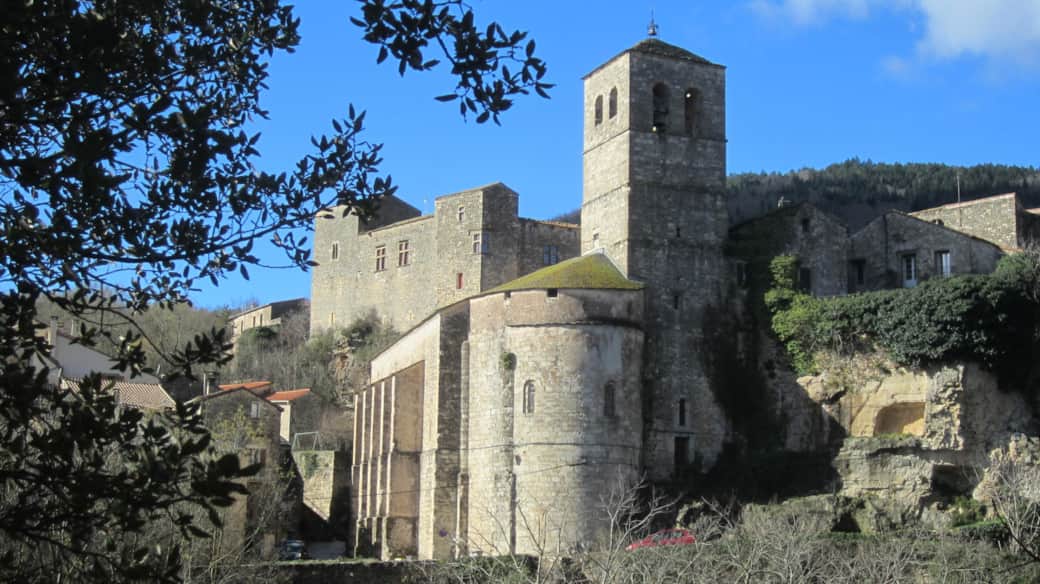
Between the Cévennes and Montagne Noire, the city of Minerve stands on a rocky spur overlooking the Cesse and Brian gorges. The natural bridges of the Cesse Valley make it an exceptional geological site.
OLARGUES, Medieval Village
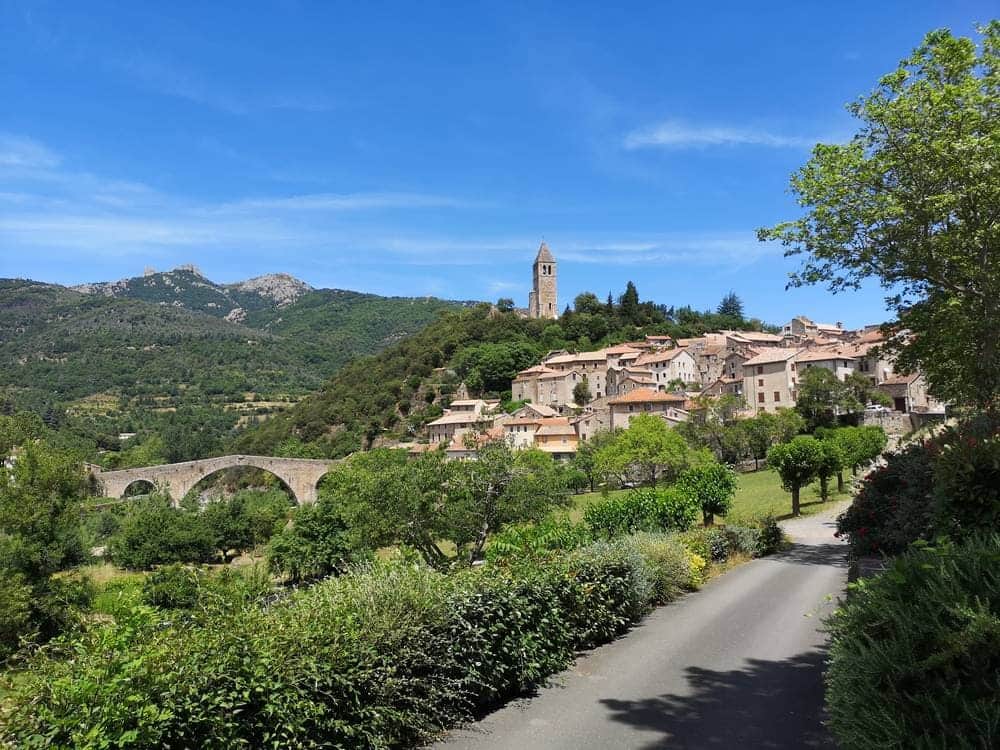
Olargues, listed as one of ‘The Most Beautiful Villages in France’, is located on the banks of the River Jaur, 6 km upstream from its junction with the River Orb, in a narrow valley south of the Monts de l'Espinouse.
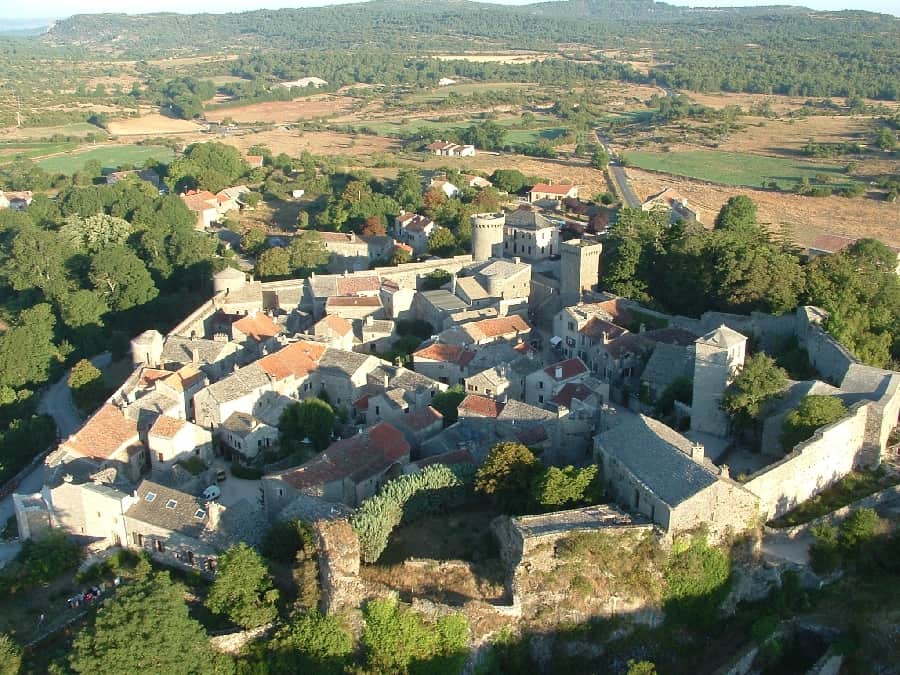
LA COUVERTOIRADE, Templar and Hospitaller village
This fortified village, listed and protected, conceals many treasures: the Hospitaller church, the ramparts, the 12th-century Templar castle, the communal oven, the wash house, the mill and a maze of streets lined with mansions and houses typical of the Causse region and shops.
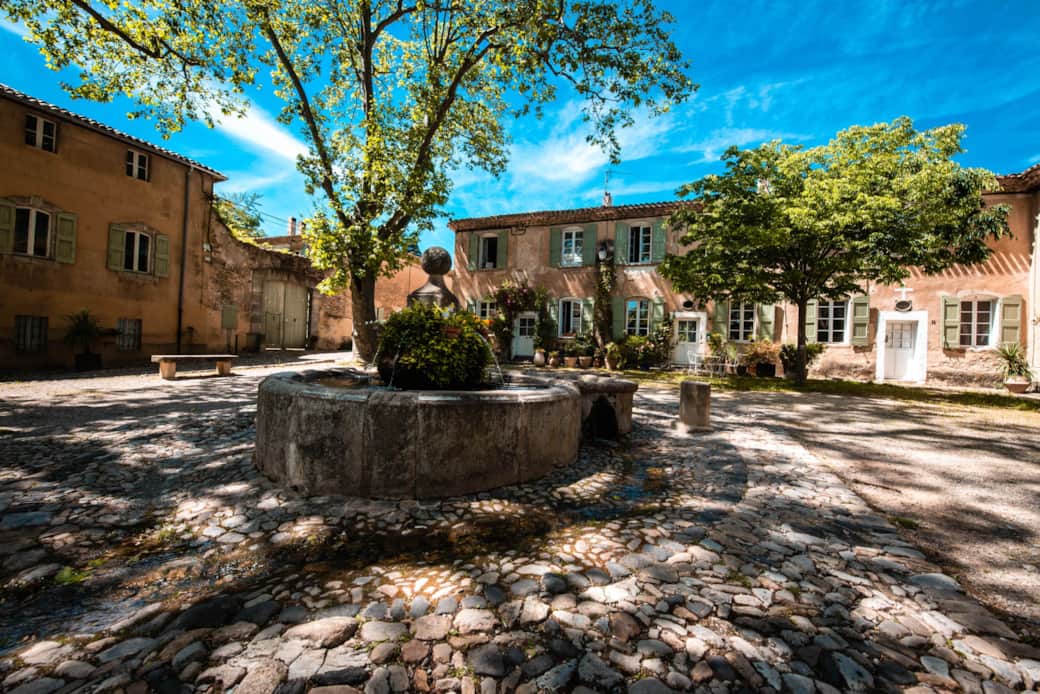
VILLENEUVETTE, the former royal cloth factory
Villeneuvette is a former ‘factory’ village, a cloth-making town created in the 17th century by a cloth merchant from Clermont l'Hérault.
Here you will discover strange architecture, as if frozen in time: the remains of the factory, workshops, buildings that housed craftsmen or various services, as well as blocks of workers' housing, etc.
BOUZIGUES, The gateway to Thau
Bouzigues is a peaceful village that is well worth a visit. Located on the banks of the Thau lagoon, it is home to most of the oyster and mussel producers. Here you can discover all aspects of shellfish farming. Some producers organise boat trips to explore their farms on the lagoon and will enthusiastically reveal the secrets of their trade.
BOUSSAGUES, Fortified medieval village
A fortified medieval village, nestled securely in a fold of the upper Orb valley, surrounded by three streams and boasting four fountains and as many wells within its walls, Boussagues has been in existence for nine centuries.
At its peak around 1350, the village had a population of nearly 1,500! The ramparts enclose two medieval castles (Le Castellas and Château Bas), two churches (Notre Dame de la Pitié and the Chapel of the Trinity, outside the village) and a network of medieval streets.
PEZENAS, In the footsteps of Molière
Stroll around and learn that Molière's real career began in Pézenas, when he met Armand de Bourbon, Prince of Conti, a great lord who loved the theatre and was the third most important man in the state.
Visit the Musée de Vulliod Saint-Germain, a former 16th-century mansion with its original architecture and traditional Pézenas style.
Discover the famous chair of the barber Gély, where Molière enjoyed observing people. History tells us that some of his characters were inspired by these encounters.
SAINTE EULALIE DE CERNON, Commanderie du Larzac
The Commandery, headquarters of the Knights Templar and Hospitallers, bears witness to 600 years of continuous presence of religious and military orders in the West.
The Knights Templar developed intensive agricultural activity to supply their brothers in the Holy Land, and this Commandery became the richest in the south of France, the capital of the Larzac.
Faced with the ambitions of a relentless French king and the LEGEND of their priceless TREASURE, the KNIGHTS TEMPLAR entered HISTORY, still arousing passions and capturing the collective imagination today.